
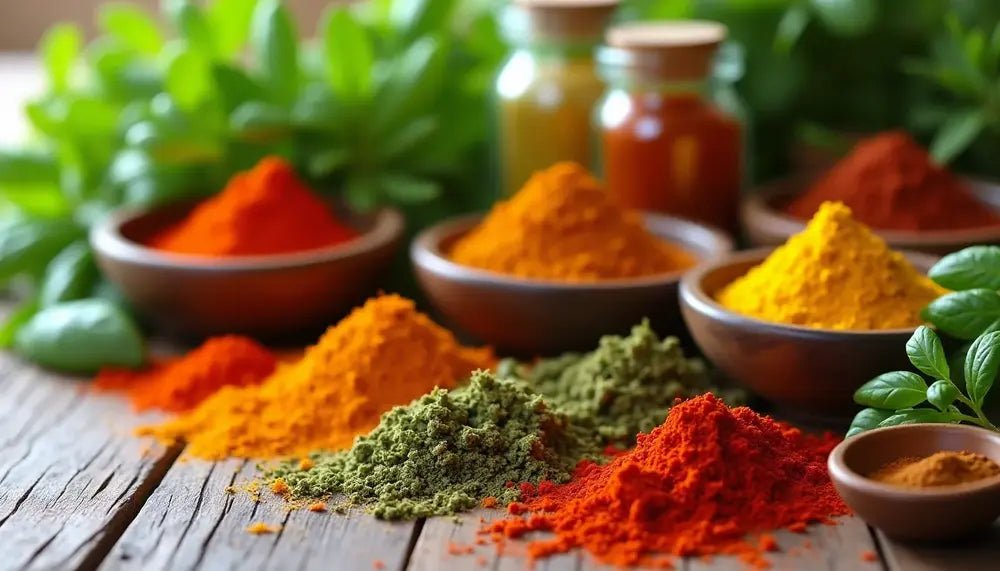
The importance of colors in the kitchen
Colors play a crucial role in the kitchen. They not only influence the aesthetics of a dish, but also the perception of its taste. Studies show that the color of food influences our expectations of taste and freshness. A colorful presentation can increase appetite and increase the enjoyment of eating.
Natural spice dyes are an excellent way to add color to your food. Not only are they healthy, they also give the dishes an attractive look. Here are some examples of the importance of colors in the kitchen:
- Red: Red foods like peppers or beets are rich in antioxidants and promote health.
- Yellow: Spices like turmeric not only provide color but also anti-inflammatory properties.
- Green: Green vegetables like spinach or parsley are a sign of freshness and vitality.
- Orange: Carrots and sweet potatoes are not only delicious, but also rich in vitamins.
By using natural dyes, you can not only improve the appearance of your dishes, but also increase their nutritional content. This means that the food is not only a pleasure for the eyes, but also for the palate.
Turmeric: The golden dye
Turmeric, often referred to as the "golden spice", is known not only for its bright yellow color but also for its diverse properties. The main ingredient, Curcumin, is responsible for the intense coloring and has numerous health benefits.
In cooking, turmeric is often used in curries and other dishes to add not only color but also flavor. Here are some interesting aspects about turmeric:
- Origin: Turmeric originally comes from South Asia and has been cultivated there for centuries. The plant belongs to the ginger family.
- Usage: In addition to its use in cooking, turmeric is also used in traditional medicine, particularly in Ayurveda.
- Health Benefits: Turmeric has anti-inflammatory and antioxidant properties. It is often used to aid digestion and relieve inflammation.
- Dye: In the food industry, turmeric is used as a natural coloring agent (E100). It is heat stable and is well suited for various products.
Using turmeric in cooking is easy. You can buy it in powder form and use it in many dishes. A little tip: combine turmeric with black pepper to increase the bioavailability of curcumin. This way you can optimally benefit from the health benefits of this wonderful spice.
Advantages and disadvantages of natural spice dyes
| Advantages | Disadvantages |
|---|---|
| Rich in nutrients | Kurd intensity can vary |
| Anti-inflammatory properties | May not always color evenly |
| Antioxidant effect | Risk of allergies to certain substances |
| Improve digestion | Expensive compared to artificial colors |
| Mood-enhancing effects | Sometimes requires specific preparation |
Paprika: Red color for your dishes
Paprika is not only a popular vegetable, but also an excellent natural coloring for many dishes. The bright red color of peppers comes from the peppers they contain Carotenoids, especially from Capsanthin, which is responsible for the intense coloring. This dye not only has aesthetic benefits, but also has health aspects.
Here are some interesting facts about peppers as a dye:
- Diversity: Peppers come in a variety of colors, including red, yellow and green. Each color has its own taste and nutritional content.
- Use: Paprika is commonly used in European cuisine, particularly in dishes such as goulash, stews, and as a seasoning for meats and vegetables.
- Health Benefits: Peppers are rich in vitamin C and antioxidants. These nutrients support the immune system and promote skin health.
- Dye in industry: In the food industry, paprika is often used as a natural coloring agent (E160c) in products such as sausages, sauces and snacks.
Using peppers as a dye is easy. You can incorporate fresh peppers into your dishes or use paprika powder. It not only adds color, but also a mild, sweet taste that enriches many dishes.
Saffron: The most expensive spice colorant
Saffron is considered the most expensive spice in the world and is extracted from the stigmas of the Crocus sativus plant. The laborious harvest contributes significantly to its high price, as around 150,000 to 200,000 flowers are required for one kilogram of saffron. These flowers only bloom once a year, further limiting availability.
The use of saffron in cooking is diverse and gives dishes not only an exquisite color, but also a unique aroma. Here are some important points about saffron:
- Coloring: Saffron gives dishes an intense, golden yellow color that is particularly appreciated in rice dishes such as paella and risotto.
- Taste: The flavor of saffron is complex, it is often described as slightly sweet and floral, making it a popular ingredient in many international cuisines.
- Health Benefits: Saffron contains antioxidants and has anti-inflammatory properties. Studies suggest it can also improve mood and help treat depression.
- Use in cosmetics: Due to its skin-care properties, saffron is also used in various cosmetic products.
To develop the full effect and aroma of saffron, it should be soaked in warm water or broth before use. This not only ensures better color and flavor delivery, but also makes it easier to digest.
Beetroot: Natural color and taste
Beetroot is a versatile root vegetable that not only impresses with its striking color, but also with its unique taste. The deep red color comes from those included Betalains, which are valued as natural colors in the food industry. Beetroot is not only a colorant, but also a real nutritional package.
Here are some interesting aspects about using beetroot:
- Health Benefits: Beetroot is rich in vitamins, minerals and antioxidants. It supports heart health and can lower blood pressure.
- Use in the kitchen: Beetroot can be enjoyed raw, cooked or pickled. It is ideal for salads, smoothies and as a side dish to meat dishes.
- Coloring: Beetroot juice can be used as a natural colorant in many recipes to add a vibrant color to dishes such as pasta, rice or desserts.
- Sustainability: Beets are a seasonal vegetable that are easy to grow in many regions, making them an environmentally friendly choice.
Using beetroot in the kitchen is easy and creative. You can use them in different forms to add not only color but also flavor and nutrients to your dishes. A little tip: If you use beetroot juice, make sure to process it well as it can be very colourful.
Chlorophyll: Green pigment from plants
Chlorophyll is the green pigment found in plants and is responsible for photosynthesis. This natural dye not only gives the plant its characteristic color, but also has numerous health benefits that make it a valuable ingredient in the kitchen.
Here are some important aspects of chlorophyll:
- Health Benefits: Chlorophyll has antioxidant properties and can help detoxify the body. It supports digestion and can strengthen the immune system.
- Use in the kitchen: Chlorophyll is found in foods like spinach, parsley and other green leafy vegetables. It can also be used in powder or extract form in smoothies and juices.
- Coloring: In the food industry, chlorophyll is used as a natural coloring agent (E140) to give products such as sweets, drinks and sauces a green color.
- Sustainability: Extracting chlorophyll from plants is environmentally friendly and supports sustainable farming methods.
To get the most out of chlorophyll's benefits, it is recommended to incorporate fresh green vegetables into your daily diet. This not only provides an attractive color on the plate, but also a variety of nutrients that contribute to overall health.
Annatto: The versatile orange dye
Annatto is a natural dye obtained from the seeds of the annatto bush (Bixa orellana). This versatile orange dye is widely used in the food industry to give products an attractive color. Annatto not only has a decorative function, but also brings some health benefits.
Here are some interesting facts about Annatto:
- Coloring: Annatto gives foods a warm, yellow-orange color. It is often used in cheese, margarine and snacks to increase their visual appeal.
- Taste: Annatto's flavor is mild and slightly sweet, making it a popular ingredient in various recipes, especially in Latin American and Caribbean cuisine.
- Health Benefits: Annatto contains antioxidants that can help fight free radicals in the body. It is also said to have a positive effect on the skin.
- Processing: Annatto is obtained by grinding the seeds, which are then extracted into oil or water. This allows for easy integration into various food products.
Using annatto in the kitchen is easy and creative. You can use it in powder form or as an extract to add not only color but also a touch of flavor to your dishes. Be sure to use annatto in moderation to achieve the desired color intensity without overpowering the flavor of the other ingredients.
How to use spice dyes correctly
Proper use of spice colorants can make the difference between an ordinary dish and an extraordinary one. Here are some tips on how to use spice dyes effectively in your cooking:
- Dosage: Start with small amounts to achieve the desired color intensity. Spice dyes can often be very strong, so sometimes less is more.
- Preparation: Some dyes, such as saffron or turmeric, should be soaked in warm water or broth before use. This helps to release the color and flavor better.
- Combination: Experiment with different dyes to create interesting shades. For example, combining beets and carrots can create a vibrant orange color.
- Use in sauces: Spice dyes are ideal for sauces and dressings. They not only add color, but also additional flavors.
- Healthy alternatives: Use spice dyes as a healthy alternative to artificial food colors. Not only do they offer natural color, but they also provide health benefits.
By following these tips, you can maximize the effectiveness of spice dyes and add attractive color and flavor to your dishes.
Healthy benefits of natural dyes
Natural dyes from spices provide a variety of health benefits beyond their aesthetic function. Not only are they safer than artificial colors, but they also contribute to overall health. Here are some of the most notable benefits:
- Rich in nutrients: Many natural dyes are rich in vitamins, minerals and antioxidants. These nutrients support the immune system and promote overall health.
- Anti-inflammatory properties: Spice dyes like turmeric and ginger have anti-inflammatory effects that can help reduce inflammation in the body.
- Antioxidant effect: Dyes such as anthocyanins in red and blue foods protect cells from oxidative stress and can reduce the risk of chronic diseases.
- Digestive: Some spice colors, such as pepper and turmeric, aid digestion and can improve nutrient absorption.
- Mood-enhancing: Certain dyes, such as those from saffron, have been shown to have positive effects on mood and can help combat depression.
Integrating these natural colorings into your daily diet can not only improve the appearance of the food, but also make a valuable contribution to health. Be sure to use a variety of spices to take full advantage of the different colors.
Conclusion: Color brings joy to food
The use of natural spice dyes not only brings color to the plate, but also numerous health benefits. These dyes are not only aesthetically pleasing, but also contribute to nutrient absorption and general well-being.
Here are some of the health benefits of natural dyes:
- Rich in antioxidants: Many spice dyes contain antioxidants that help neutralize free radicals in the body and thus prevent cell damage.
- Promotes digestion: Some natural colors, such as turmeric, aid digestion and can help with stomach problems.
- Anti-inflammatory properties: Spices like ginger and pepper have anti-inflammatory effects that can be beneficial for chronic inflammation.
- Mood-enhancing: Certain pigments, such as those from saffron, are known to elevate mood and promote overall well-being.
- Vitamins and minerals: Natural dyes are often rich in important nutrients that help strengthen the immune system.
Integrating these natural colorings into your diet can not only improve the appearance of your food, but also make a valuable contribution to your health. Be sure to use a variety of spices and colors to get the most out of the health benefits.
Frequently asked questions about natural spice dyes
What natural spice dyes are there?
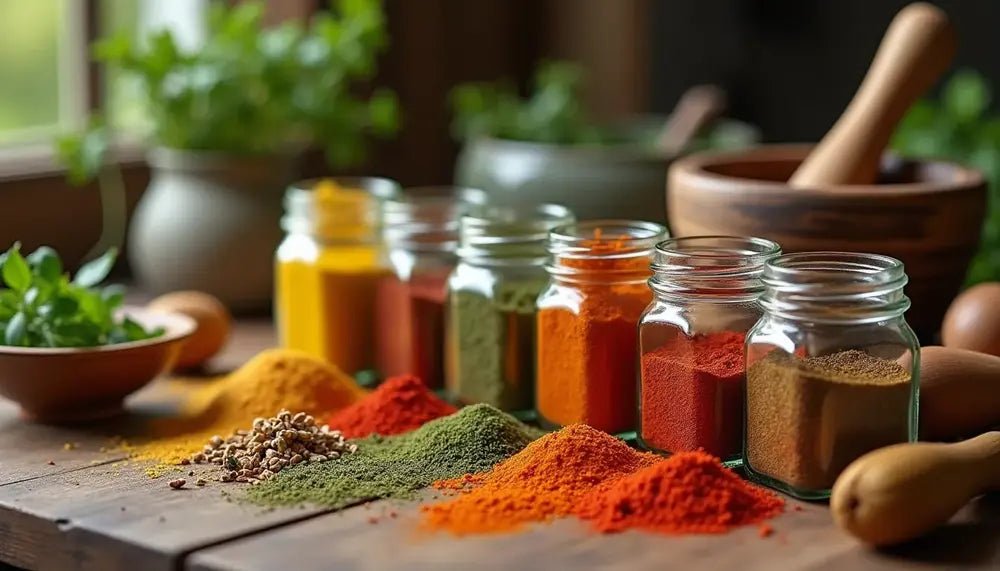
There are many natural spice colors including turmeric, paprika, beetroot, saffron and chlorophyll. These dyes not only add color to food, but also flavor and health benefits.
How do natural spice dyes have a health effect?
Natural spice dyes are often rich in antioxidants and nutrients that have anti-inflammatory and antioxidant properties. They promote health and can strengthen the immune system.
How do I use spice dyes in the kitchen?
Spice dyes should be used in the correct dosage. Start with small amounts and experiment with different combinations to achieve the desired color intensity and flavor.
Are natural dyes better than artificial ones?
Yes, natural dyes are considered healthier because they do not contain harmful chemicals and often have health benefits. They are a safe alternative to artificial colors.
How do colors influence the perception of food?
Colors have a significant impact on the perception of taste and freshness. A colorful presentation can increase appetite and increase the enjoyment of eating.
Share:
This is how you can create the perfect spice cake
Enjoy vegan: Simple recipes with tofu for every occasion