
Introduction
In this article you will find out everything about Cumin, a spice with a distinctive aroma. You'll learn where it comes from, what it tastes like and how you can use it in your kitchen. We will also show you the health benefits of cumin and give you tips on storage and preparation. The importance of cumin in Ayurvedic medicine is also highlighted. This article is ideal for beginners who are interested in spices and want to expand their knowledge.
What is cumin?
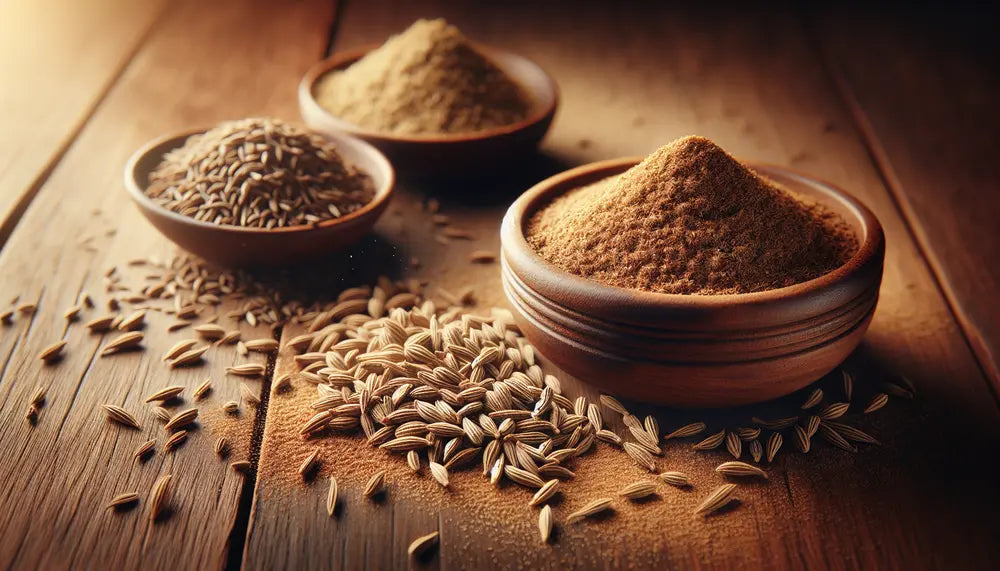
Cumin is an aromatic spice made from the dried seeds of the plant Cuminum cyminum is won. It belongs to the umbelliferous family and is often also referred to as cumin. Cumin has an intense, earthy flavor and is valued in many cuisines around the world.
Botanical properties of cumin
The plant grows up to 50 cm high and has delicate, feathery leaves. The small, white or pink flowers bloom in May and June. After flowering, the seeds develop and are later harvested.
Common names for cumin
- Mother cumin
- Oat cumin
- Roman cumin
- Kumin
- Pepper cumin
Cumin growing areas
Cumin is mainly grown in warm regions. The most important countries of origin include India, Iran, Türkiye, Sri Lanka and Indonesia. Cultivation is also widespread in Latin America and the southern Mediterranean.
With this basic information, you are now well prepared to learn more about the history, taste and uses of cumin.
History and origin of cumin
Cumin has a long history that dates back to ancient times. It was used thousands of years ago in the Eastern Mediterranean and Egypt. Archaeologists have found cumin seeds in the tombs of Egyptian pharaohs, showing how valuable this spice was back then.
Spread throughout history
Through trade, cumin quickly reached other parts of the world. The Romans brought it to Europe, where it was an important part of the cuisine in the Middle Ages. Cumin also found its place early on in India and the Middle East and is still an indispensable ingredient in many regional dishes today.
Cultural significance of cumin
Cumin plays an important role in various cultures. In Ayurvedic medicine it is valued for its healing properties. In the Middle Ages it was even used as currency and in religious ceremonies.
Modern growing areas
Today cumin is cultivated worldwide, with the main producing countries being India, Iran and Turkey. These regions provide the ideal climate for growing cumin, which requires warm temperatures and plenty of sun.
With this knowledge about the history and origins of cumin, you have learned another important aspect of this fascinating spice.
The special taste of cumin
Cumin is characterized by its unique, intense taste. This can be described as spicy, slightly bitter and earthy. The combination of a mild spiciness and a warm, nutty aroma is particularly noteworthy.
Intensification of the aroma
Cumin develops its full aroma when cooking or frying. Roasting the seeds before grinding enhances the flavor even further. This makes it a versatile seasoning in the kitchen.
Comparison with other spices
Compared to other spices such as coriander or fennel, cumin has a significantly stronger taste. It has a distinctive touch that makes the difference in many dishes.
Aroma profile of cumin
- Spicy: Clearly present, but not overwhelming
- Bitterness: Slightly bitter, which adds to its complexity
- Earthiness: A tart, earthy scent reminiscent of warm floors
- Nuttiness: A subtle nutty note completes the profile
Cumin is a spice that enriches many dishes with its intense aromas and gives them a special depth. It's worth experimenting with this fascinating spice and discovering its diverse flavor nuances.
Use of cumin in cooking
Cumin is a versatile seasoning used in many different cuisines around the world. Its intense flavor makes it ideal for a variety of dishes, from hearty stews to exotic spice blends.
Typical dishes with cumin
- Falafel: These popular fried balls made from chickpeas or beans often contain ground cumin to give them a spicy flavor.
- Chilli con carne: Cumin provides the characteristic spice in this hearty Mexican dish.
- Couscous: In North African cuisine, cumin is often used in couscous dishes to add depth and warmth.
- Stews and meat dishes: Cumin goes well with hearty stews and meat dishes as it intensifies the flavor.
- Vegetarian dishes: The aroma of cumin comes into its own particularly well in curries and other vegetarian dishes.
Cumin in spice mixtures
Cumin is an important component of many well-known spice mixtures. Two of the most famous are:
- Garam Masala: An Indian spice mixture that contains cumin, cardamom, cinnamon and other aromatic spices.
- Harissa: A North African paste made from chili peppers, garlic and various spices, including cumin.
Preparation tips for cumin
In order to develop the full aroma of cumin, it is recommended to briefly roast the whole seeds before grinding. This enhances the intense taste and makes the spice even more aromatic. Cumin can also be used in teas or liqueurs to give these drinks a special note.
Cumin is an essential spice in many cuisines around the world. Thanks to its versatility and intense taste, it enriches numerous dishes and ensures culinary diversity.
Health Benefits of Cumin
Cumin not only offers a unique taste, but also numerous health benefits. This spice has been used in traditional medicine for centuries and modern research confirms many of its beneficial properties.
Promotes digestion
Cumin can promote digestion and relieve abdominal cramps. It stimulates the production of digestive enzymes and helps reduce bloating. A tea made from cumin seeds can provide relief from digestive problems.
Help against bad breath
Chewing cumin seeds is a traditional remedy for bad breath. The essential oils in cumin have an antibacterial effect and help neutralize unpleasant odors.
Lowering cholesterol and blood sugar
Studies show that regular consumption of cumin can lower cholesterol and blood sugar levels. This makes it particularly valuable for people with diabetes or high cholesterol.
Support blood purification
Cumin promotes liver and kidney function and thus supports blood purification. This contributes to overall health and can strengthen the immune system.
weight loss
A study from Iran has shown that consuming 3 grams of cumin daily can lead to greater weight loss. Cumin increases metabolism and helps break down excess fat.
Improving bone density
During menopause, cumin can help improve bone density. This reduces the risk of osteoporosis and strengthens the skeletal system.
Relief from joint pain
Cumin can relieve joint pain when combined with other spices such as nutmeg and coriander. A mixture of these spices can be applied as a paste or consumed as a tea.
"Cumin is not only a delicious spice, but also a real health miracle."
With these diverse health benefits, cumin is a valuable spice for your daily diet and well-being.
Storage and preparation tips
With that Cumin To retain its full flavor and health benefits, proper storage and preparation is crucial. Here are some useful tips to get the most out of this condiment.
Storage of cumin
- Cool, dry and dark: Store cumin in a cool, dry place away from direct sunlight. This preserves the essential oils and aroma.
- Prefer whole seeds: Whole cumin seeds stay fresh longer than ground cumin. Grind the seeds if necessary for the best flavor.
- Airtight containers: Use airtight containers to protect the seasoning from moisture and air. This prevents clumping and loss of flavor.
Preparation of cumin
Proper preparation can significantly improve the taste of cumin. Here are some tips:
- Roasting the seeds: Briefly toast the whole seeds in a dry pan over medium heat. This intensifies the aroma and makes the taste stronger.
- Grind as needed: Grind the roasted seeds just before using them. This way the full aroma is retained.
- Combination with other spices: Cumin harmonizes well with spices such as coriander, turmeric and paprika. Experiment with different combinations to discover new taste experiences.
Use in various dishes
Cumin can be used in different ways in the kitchen:
- Stews and soups: Add ground cumin to stews and soups to add depth and flavor.
- Dry roasts: Sprinkle roasted cumin over salads or roasted vegetables for an extra flavor kick.
- Sauces and dips: In sauces such as harissa or hummus, cumin gives a warm, spicy note.
With these storage and preparation tips you can ensure that your cumin always stays fresh and develops its full flavor. So you can make the most of this versatile spice in your kitchen.
Cumin in Ayurvedic medicine
Cumin has a long tradition in Ayurvedic medicine and is considered one of the ten royal spices. It is valued for its wide range of health benefits and is used in numerous medicinal recipes.
Effect on the body
In Ayurveda, cumin is valued for its warming properties. It's supposed to be the digestive fire, too Agni called, strengthen and improve digestion. This helps remove toxins from the body and increases overall well-being.
Use in Ayurvedic recipes
Cumin is used in many classic Ayurvedic dishes:
- Kitchari: A traditional dish made from rice and lentils, often used in detoxification treatments. Cumin gives this dish an additional flavor and supports digestion.
- Ayurvedic teas: Cumin seeds are often made into teas along with other spices such as coriander and fennel, which can help with digestive problems.
- Spice mixtures: In combination with spices such as turmeric and ginger, cumin finds its place in many Ayurvedic spice mixtures.
Positive effects on mind and soul
According to Ayurveda, cumin also has positive effects on the mind. It is said to have a calming effect and help reduce stress. Regular use of cumin can therefore contribute to mental clarity.
"Cumin is a true miracle spice in Ayurveda that strengthens both the body and the mind."
Application tips in everyday life
Cumin can be easily integrated into everyday life:
- Daily meals: Add a pinch of ground cumin to your daily meals to aid digestion.
- Cumin water: Soak some cumin seeds in water overnight and drink this water in the morning for a healthy start to the day.
- Aromatherapy: Use cumin essential oil in a diffuser to create a calming atmosphere.
Cumin plays an important role in Ayurvedic medicine and can promote both physical and mental well-being through its versatile applications. Use this spice to benefit from its healing properties.
Conclusion
Cumin is a spice with an impressive history and versatile uses. It not only enriches numerous dishes with its intense aroma, but also offers numerous health benefits. From aiding digestion to relieving joint pain, cumin has a lot to offer.
Summary of key points
- Taste: Spicy, slightly bitter and earthy, with a mild spiciness.
- Kitchen use: Ideal for stews, meat dishes, vegetarian dishes and spice mixtures such as garam masala and harissa.
- Health: Promotes digestion, helps against bad breath, lowers cholesterol and blood sugar, supports blood purification and can improve bone density.
- Storage: Store in a cool, dry and dark place; prefer whole seeds.
- Ayurveda: An important spice in Ayurvedic medicine with positive effects on the body and mind.
Cumin is an essential spice for anyone who wants to enrich their cuisine while promoting their health. Proper storage and preparation will help you get the most out of this wonderful seasoning. Whether in traditional recipes or modern creations - cumin gives your dishes a special touch and contributes to your well-being.
"Cumin is more than just a spice - it is a valuable companion for taste and health."
Take the time to incorporate this versatile spice into your cooking and benefit from the many benefits it offers. Your body and your taste buds will thank you!
FAQ about cumin – the aromatic spice
What is cumin and where does it come from?
Cumin, also known as cumin, is an aromatic spice made from the seeds of the Cuminum cyminum plant. It is originally from the Eastern Mediterranean and Egypt.
What does cumin taste like?
Cumin has a very spicy taste with a slightly bitter spiciness and a tart, earthy scent. Its intense flavor is enhanced by cooking or frying.
What dishes can you prepare with cumin?
Typical dishes with cumin are falafel, chili con carne and couscous. It is also used in stews, meat dishes and vegetarian dishes such as curries and is an ingredient in spice blends such as garam masala and harissa.
What health benefits does cumin have?
Cumin promotes digestion, relieves abdominal cramps, helps against bad breath, lowers cholesterol and blood sugar, supports blood purification, promotes weight loss and improves bone density.
How should you store cumin?
Cumin should be stored in a cool, dry and dark place. Whole seeds last longer than ground cumin. Use airtight containers to preserve flavor.
Teilen:
All in one: The spice set for ambitious chefs
Spice Umami: The taste of the fifth dimension