
Introduction
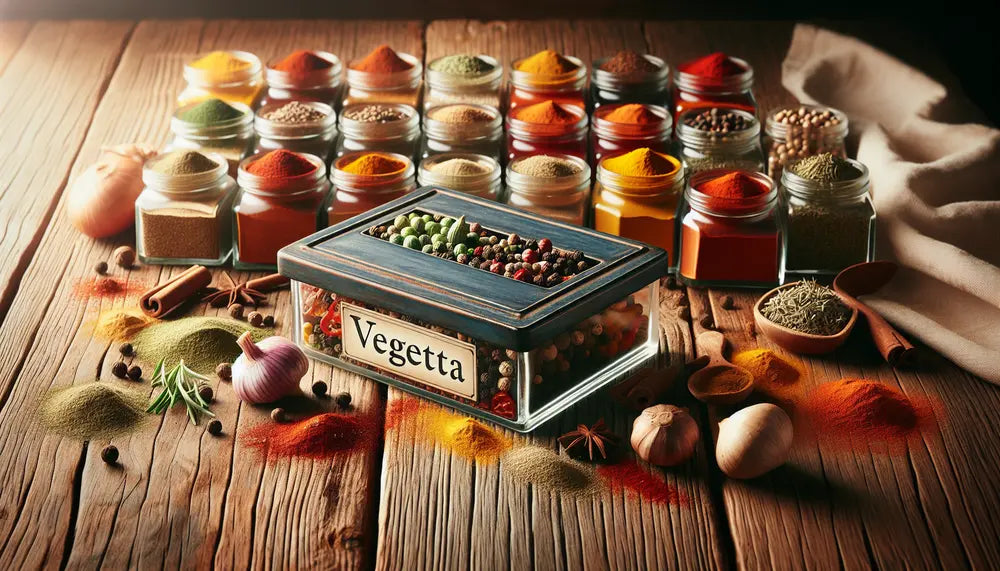
Spices are an integral part of every kitchen. They give our dishes that special flavor, and some of them tell a story that goes far beyond their culinary use. One such spice is Vegeta. This universal spice has not only conquered millions of cuisines worldwide, but also has an interesting origin and history. Today you will learn more about what makes Vegeta so special and why it has become an integral part of many households.
What is Vegeta?
Vegeta is a Universal seasoning, which is made from a mixture of fine dried Types of vegetables and selected spices exists. It was originally developed in Croatia and has since become a popular condiment in many countries. With its unique taste, Vegeta enhances the natural flavors of dishes and gives them a special touch.
The main ingredients of Vegeta are:
- table salt
- Dried vegetables (such as carrot, parsnip, potato, onion, celery and leaf parsley)
- Flavor enhancers (monosodium glutamate, disodium inosinate)
- sugar
- spices
- Cornstarch
- Dye: riboflavin
These ingredients are coordinated so that together they create a balanced overall impression in terms of taste. Vegeta can be used in many ways, be it in soups, sauces, meat and fish dishes or even in vegetable and rice dishes. It's this versatility that makes Vegeta one indispensable spice in many kitchens.
The story of Vegeta
Vegeta has a long and distinguished history. The spice was developed in 1959 by a team of food experts at the Podravka Institute in Croatia. The original idea was to create a seasoning that would easily improve the taste of home-cooked dishes. The result was the first version of Vegeta, which quickly gained popularity.
In the decades that followed, Vegeta grew into an internationally known product. The Podravka brand ensured that Vegeta was exported to many countries and continued to expand. Today Vegeta is available in over 40 countries and is considered in many cultures Standard seasoning. From Europe to Asia, Vegeta has found its place in kitchens and is very popular.
An important milestone in the history of Vegeta was Market launch in the 1970s in what was then the Soviet Union, which helped the brand achieve an enormous growth spurt. The introduction to the Western market soon followed, with Vegeta easily recognizable by its distinctive blue packaging design.
The continuous ones Innovations and adapting to changing consumer needs have helped Vegeta maintain its market leadership. Vegeta has thus developed from a local Croatian product into a globally recognized brand.
Vegeta's ingredients
Vegeta is characterized by its carefully selected ingredients that give it its unique taste. The mixture consists of natural and high-quality components that harmonize perfectly with each other. Here are Vegeta's main ingredients in detail:
| ingredient | share |
|---|---|
| table salt | unknown |
| Dried vegetables | 15.5% |
| Monosodium glutamate | unknown |
| Disodium inosinate | unknown |
| sugar | unknown |
| spices | unknown |
| Cornstarch | unknown |
| Dye: riboflavin | unknown |
The dried vegetables in Vegeta consist of a mixture of:
- carrot
- Parsnip
- Potato
- Onion
- Celery
- leaf parsley
The combination of these ingredients ensures that Vegeta has a balanced mix Salt, Umami, Sweetie and natural Vegetable flavors offers. This composition makes it ideal for a variety of dishes as it enhances the natural flavor of the ingredients without overpowering them.
The application of Vegeta
Vegeta is a versatile spice that can be used in many different ways in the kitchen. Here are some of the most common uses where Vegeta shows off his seasoning power:
Before frying
To flavor meat or fish before frying, simply sprinkle it with Vegeta. This gives the dish a delicious base and intensifies its flavor.
In boiled or steamed dishes
Vegeta can be used in soups, sauces, rice and vegetable dishes. Add the spice about five minutes before the end of the cooking time so that the flavors can develop optimally.
Dosage
The correct dosage is important for a harmonious taste. What is recommended is:
- 1 teaspoon (approx. 3 g) for 250 ml (1 serving)
Storage tips
To keep Vegeta fresh for a long time, it should be stored in a dry place and at room temperature. Make sure to always close the packaging tightly.
Durability
The shelf life of Vegeta is usually 24 months. However, pay attention to the expiration date printed on the packaging to ensure the best quality.
Thanks to these simple application instructions, Vegeta can become an indispensable companion in many dishes. Whether frying, cooking or steaming - Vegeta always gives your dishes a special touch.
Why Vegeta is so popular
Vegeta's popularity can be attributed to several factors. Not only does it offer great taste, but also practical benefits that make cooking easier and more delicious. Here are some reasons why Vegeta is so valued in many households:
Versatility
Vegeta is a universal spice. It can be used in a variety of dishes, from soups and sauces to meat and fish dishes. This versatility makes it an indispensable helper in the kitchen.
Easy to use
With Vegeta you can refine meals quickly and easily. A teaspoon is often enough to enhance the taste of a dish. This saves you time and effort when seasoning.
Constant quality
Vegeta offers consistent quality and flavor in every batch. The careful selection of ingredients and strict controls during production ensure that Vegeta always meets the high expectations of consumers.
taste
Vegeta's taste is unique and versatile. It enhances the natural flavors of the ingredients without overpowering them, bringing a harmonious mix of salt, umami and vegetable flavors to every dish. This makes Vegeta a popular seasoning for many different cuisine styles.
Brand trust
The Podravka brand has stood for trust and reliability for over 50 years. Consumers know they can rely on Vegeta's quality. This has contributed to Vegeta's loyal fan base, who have used the spice for decades.
"Vegeta is the secret that makes every dish perfect." — A satisfied customer
In summary, Vegeta has become an essential ingredient in many cuisines worldwide due to its versatility, ease of use, consistent quality, excellent taste and consumer trust.
Vegeta compared to other spices
Vegeta is unique, but how does it compare to other spices? For a better understanding, let's compare Vegeta with similar products on the market:
| property | Vegeta | Stock cubes | herbal salt |
|---|---|---|---|
| Main ingredients | Vegetables, salt, spices | Fat, salt, flavor enhancers | salt, herbs |
| taste | Umami, spicy, balanced | Salty, strong | Herbs, salty |
| Availability | Worldwide | Widely used | Often regional |
| Versatility | Very high | Moderate | High |
| Method of preparation | Simple, straight to the court | Often dissolve in water | Sprinkle directly |
Main ingredients
In contrast to many other seasoning mixtures, which are mainly based on salt and flavor enhancers, Vegeta contains a high proportion of dried vegetables. This ensures a balanced mix of natural flavors.
taste
Vegeta offers a unique umami taste that comes from the mix of vegetables and spices. Traditional bouillon cubes are often salty and strong, while herbal salts emphasize more of a herbal note.
Availability
Vegeta is available in over 40 countries. Many bouillon cubes are also widely available, while herb salt is often regionally limited.
Versatility
Vegeta can be used in a variety of dishes - from soups to grilled meats. Stock cubes are typically limited to soups and sauces, and herb salt goes well with fresh foods but has limited use in cooked dishes.
Method of preparation
Vegeta can be sprinkled directly into the dish and can be used immediately. Stock cubes often have to be dissolved in water first, which means an additional step in the preparation. Herbal salt is usually sprinkled directly, similar to Vegeta, but without the umami component.
In summary, Vegeta is often superior to other seasoning blends because of its variety of ingredients, unique flavor and versatility. This explains its popularity and status as a market leader.
Conclusion
Vegeta is more than just a condiment; it is a real culinary talent with a rich history and great popularity worldwide. It offers a unique blend of dried vegetables and spices that enhances the natural flavor of the food and makes it delicious. Thanks to its versatility and ease of use, Vegeta has established itself as an essential seasoning in many households.
The quality and constant innovation of the Podravka brand have made Vegeta a trustworthy and reliable product. Whether you are preparing soups, sauces or meat dishes, Vegeta offers a simple solution to give your dishes that certain something.
Compared to other seasoning mixtures, Vegeta stands out due to its natural ingredients and balanced taste. Not only is it easy to use, but it is also available worldwide and has a long shelf life. These characteristics make Vegeta a market leader and a favorite in many cuisines.
If you are looking for a universal seasoning that will enrich your cooking experience, Vegeta is the right choice. It simplifies preparation, saves time and always delivers consistent taste - a real benefit for every kitchen.
Frequently asked questions about Vegeta
What is Vegeta?
Vegeta is a universal size that consists of a mixture of fine dried vegetables and selected spices. It was originally developed in Croatia and helps improve the taste of many dishes.
What ingredients are included in Vegeta?
Vegeta contains table salt, dried vegetables (such as carrots, parsnips, potatoes, onions, celery and leaf parsley), flavor enhancers (monosodium glutamate, disodium inosinate), sugar, spices, corn starch and the coloring riboflavin.
How to use Vegeta in the kitchen?
Vegeta can be sprinkled on meat or fish before frying. In boiled or steamed dishes such as soups, sauces, rice or vegetables, Vegeta should be added about five minutes before the end of the cooking time. A usual dosage is 1 teaspoon (approx. 3 g) for 250 ml (1 serving).
How should Vegeta be stored?
To keep Vegeta fresh for a long time, it should be stored in a dry place and at room temperature. Make sure to always close the packaging tightly.
How long does Vegeta last?
The shelf life of Vegeta is usually 24 months. However, pay attention to the expiration date printed on the packaging to ensure the best quality.

Teilen:
Exotic seasoning: marinade with soy sauce and more
Natural and aromatic: spice made from dried leaves